Home
HomeNeedle Roller Bearing with Inner Ring: A Simple Installation Guide to Avoid Costly Mistakes
 2026-03-06
 0
0
Installing a needle roller bearing with an inner ring correctly is all about precision. Get it right, and it ensures smooth, reliable operation. Get it wrong, and you're looking at premature wear and unexpected downtime. Let's focus on the simple steps that lead to success.
These bearings are amazing at handling heavy loads in a small space, which is why you find them in everything from car transmissions to industrial gearboxes. But to get that long life and smooth performance, you need to treat them right from the start. This guide will walk you through the key steps and precautions for installing a needle roller bearing with inner ring, helping you avoid the most common and costly errors.
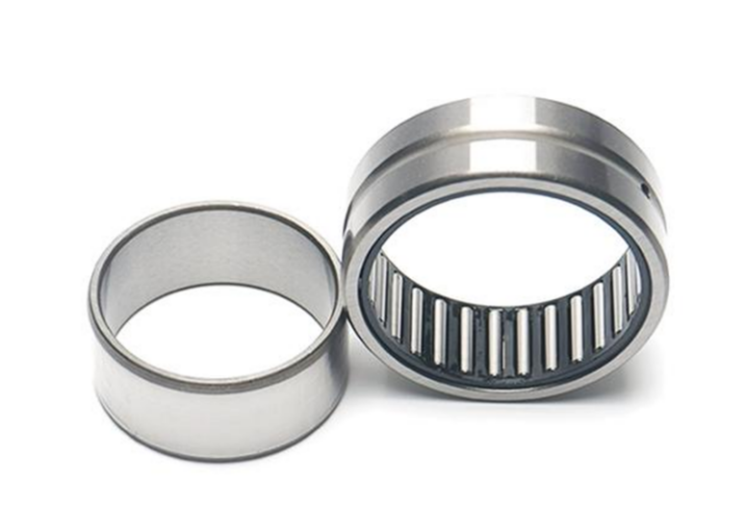
Why Precise Installation Matters
Think of a needle roller bearing with inner ring as a high-precision team. The cylindrical rollers (the "needles"), the outer ring, and the inner ring all have to work together perfectly. If anything is out of alignment, contaminated, or forced into place, it's like asking that team to run a race with a twisted ankle. The result is premature wear, overheating, and eventual failure. Following the correct installation procedure is the best way to protect your equipment and your investment.
Step-by-Step Installation Guide
Here are the critical steps for a successful installation:
1. Prepare Your Workspace and Tools
Before you even open the bearing's packaging, make sure your work area is clean. Dust, dirt, and metal filings are enemies of a needle roller bearing with inner ring. You will need the right tools, which usually include:
l A bearing heater or an induction heater (for heating the inner ring).
l A clean, lint-free cloth.
l The correct mounting sleeves or tools to apply force evenly.
l A feeler gauge to check clearances.
l Clean, recommended lubricant.
2. Inspect All Components
Carefully take the new bearing out of its packaging. Do not wash it, as the anti-rust coating is there to protect it. Inspect the needle roller bearing with inner ring for any signs of rust or damage. Then, meticulously check the shaft and the housing. They must be the correct size and perfectly clean. Even a tiny burr on the shaft can damage the inner ring during installation. Remove any sharp edges with a fine stone or emery cloth.
3. The Correct Mounting Method
This is the most important part. Never, ever hammer or apply direct force to the bearing's outer ring while installing it onto a shaft. You must only apply force to the ring that is being mounted with an interference fit (a tight fit).
l For Shaft Mounting (Rotating Shaft): The inner ring usually has the tight fit. To mount it onto the shaft, you need to heat the inner ring. An induction heater or an oil bath is best. This causes the inner ring to expand slightly, allowing it to slide onto the shaft easily. Once it cools, it creates a firm, perfect grip. If you don't have a heater, you can use a mechanical press, but you must use a mounting tube that presses only on the inner ring face. Never press through the rollers.
l For Housing Mounting (Rotating Housing): If the outer ring has the tight fit, you can press it into the housing using a mounting tube that contacts only the outer ring face.
4. Align and Insert Carefully
As you slide the bearing into place, make sure it goes in straight. Tilting it can score the shaft or housing surfaces. If you are using a press, apply steady, even pressure until the needle roller bearing with inner ring is fully seated against its shoulder on the shaft or in the housing.
5. Final Checks and Lubrication
Once the bearing is mounted, allow it to cool completely if you heated it. Then, check that it spins freely and smoothly. Any roughness or grinding noise is a sign of a problem. Finally, apply the correct amount and type of lubricant. Proper lubrication from the start is essential to separate the moving parts and prevent metal-to-metal contact.
Common Mistakes to Avoid
l Using too much force: This is the number one mistake. Forcing a bearing onto a shaft without proper heating can brinell the races (create tiny dents) or crack the inner ring.
l Misalignment: An angled installation puts stress on the cage and rollers, leading to rapid failure.
l Ignoring cleanliness: Even microscopic dirt can act like sandpaper inside the bearing.
l Forgetting to check the shaft and housing: If these components are worn or out-of-tolerance, even a perfect new bearing will fail quickly.
By taking your time and following these simple steps, you can ensure that your needle roller bearing with inner ring delivers the long, reliable service it was designed for. A little care during installation saves a lot of time, money, and frustration in the long run.